

Headline 1
Tier1
Air Transport Categorization
Delve into the dynamic realm of air transport, where commercial flights, general aviation and the emerging new segment of UAM with the introduction of e-VTOLs, and the reintroduction of supersonic travel are redefining Advanced Air Mobility. Explore how each of these segment is innovating to foster a more sustainable aviation industry.

Commercial Air Transport Services: Reducing emissions with SAF
Airliners offer extensive transport services, connecting destinations globally. These large aircraft are crucial for mass transportation, and their operators are increasingly committed to sustainability. A significant step in this direction is the widespread introduction of Sustainable Aviation Fuel (SAF), which contributes significantly to reducing CO2 emissions. By choosing airlines that prioritize SAF, travelers can support a greener future for commercial air travel.
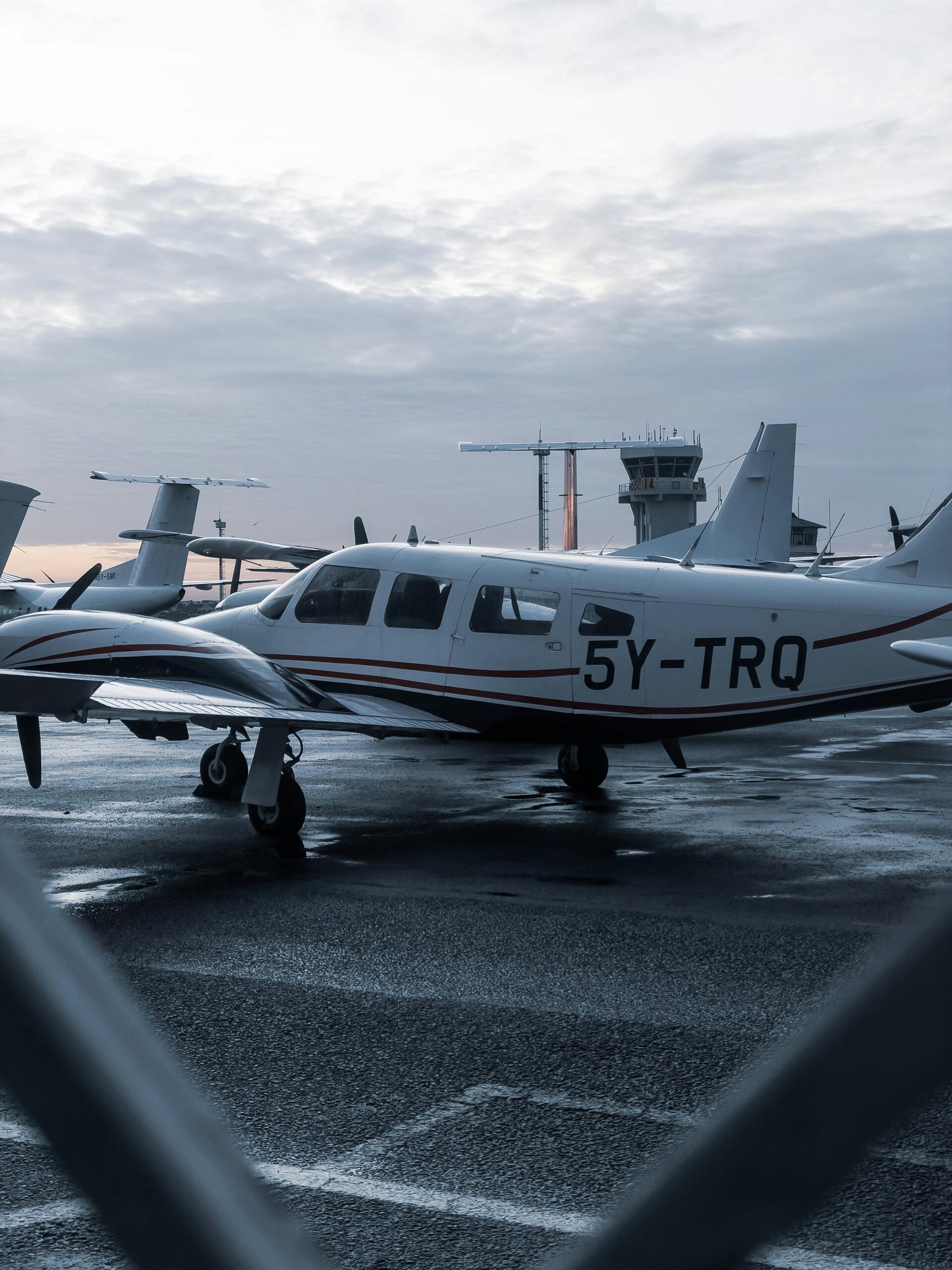
General Aviation (GA) and its focus on Sustainability
General Aviation is a crucial segment and an integral component of the air transport system. GA compreheds Business aviation and Corporate aviation, however it must be clarified that business aviation can be either commercial or general aviation depending on whether or not there is a charge for the service. Its impact cannot be understated, particularly in emerging economies like China, where the private and business aviation market is poised to become a core economic pillar. .
Sector
Tier 2
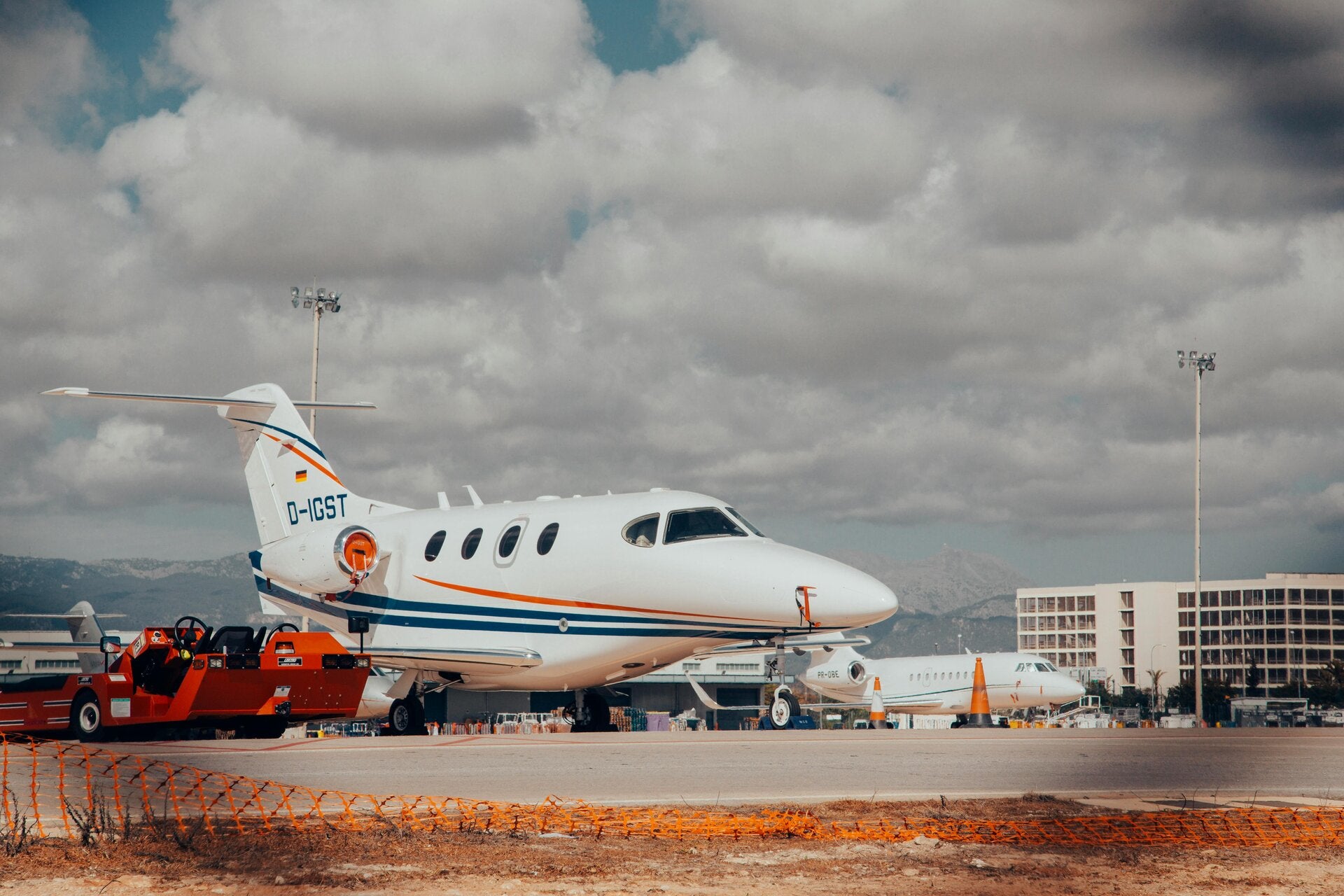
Business aviation & Corporate aviation and their relation with GA
The business aviation sector provides flexible and efficient travel options for professionals and elite travelers. Manufacturers in this segment are paying greater attention to sustainability, integrating advanced aerodynamic designs, lighter materials, and more fuel-efficient engines. We will also witness the reintroduction of supersonic flight for elite travelers, incorporating new technologies to align this reality with the objectives of sustainable aviation. These innovations ensure that business aviation continues to meet high standards of service while minimizing its environmental footprint.
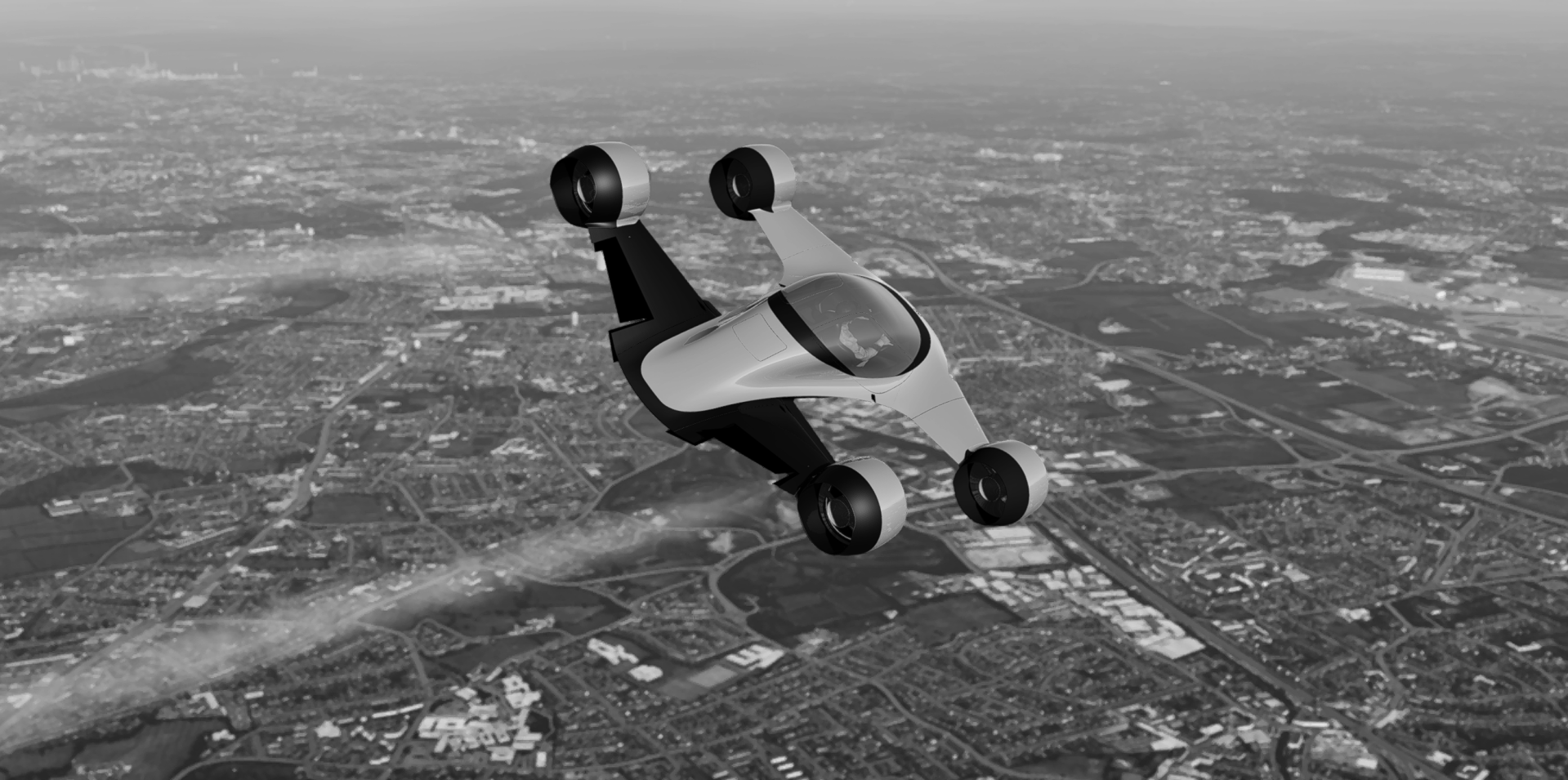
UAM as part of the ecosystem with the introduction of e-VTOLs
UAM and the introduction of electric vertical take-off and landing (eVTOL) aircraft will complement the air transport system by offering new commuting options. These mostly electric vehicles represent a significant leap toward completely sustainable air mobility. Travelers will soon have the option to commute using eVTOLs, which could also evolve into personal travel experiences, potentially competing with small aircraft used in general aviation. Backed by government support that views the nascent Low-Altitude Economy as a new pillar for growth—encompassing passenger eVTOL operations and cargo delivery drones—China is leading this aviation evolution, a reality set to revolutionize urban air mobility with zero direct emissions
A collective journey towards sustainable aviation
Understanding the different categories of air transport and their characteristics highlights that all aviation operators are putting particular emphasis on the sustainability of the aviation industry. Each segment is introducing specific innovations to reduce its carbon footprint, demonstrating a unified commitment to a greener future. This collective effort ensures that the benefits of air travel can continue to be enjoyed responsibly.