

Headline
Tier 1
Your role in shaping sustainable air travel
Travelers can help decarbonize aviation. By opting to fly with carriers that invest in fuel-efficient aircraft, utilize sustainable aviation fuels, and implement carbon offset programs, passengers can amplify their impact on reducing emissions. Gain insights into the options available for travelers and the initiatives aimed at promoting a greener aviation.

How Passengers Can Contribute to Aviation Decarbonization
Passengers can significantly contribute to the decarbonization of the aviation sector by making more conscious purchasing and travel decisions. While the green transition largely depends on industrial technologies (such as engine efficiency and new energy carriers), individual traveler choices drive market demand and immediately reduce the environmental impact of each flight.
Feel good knowing your travel choices are making a real difference.
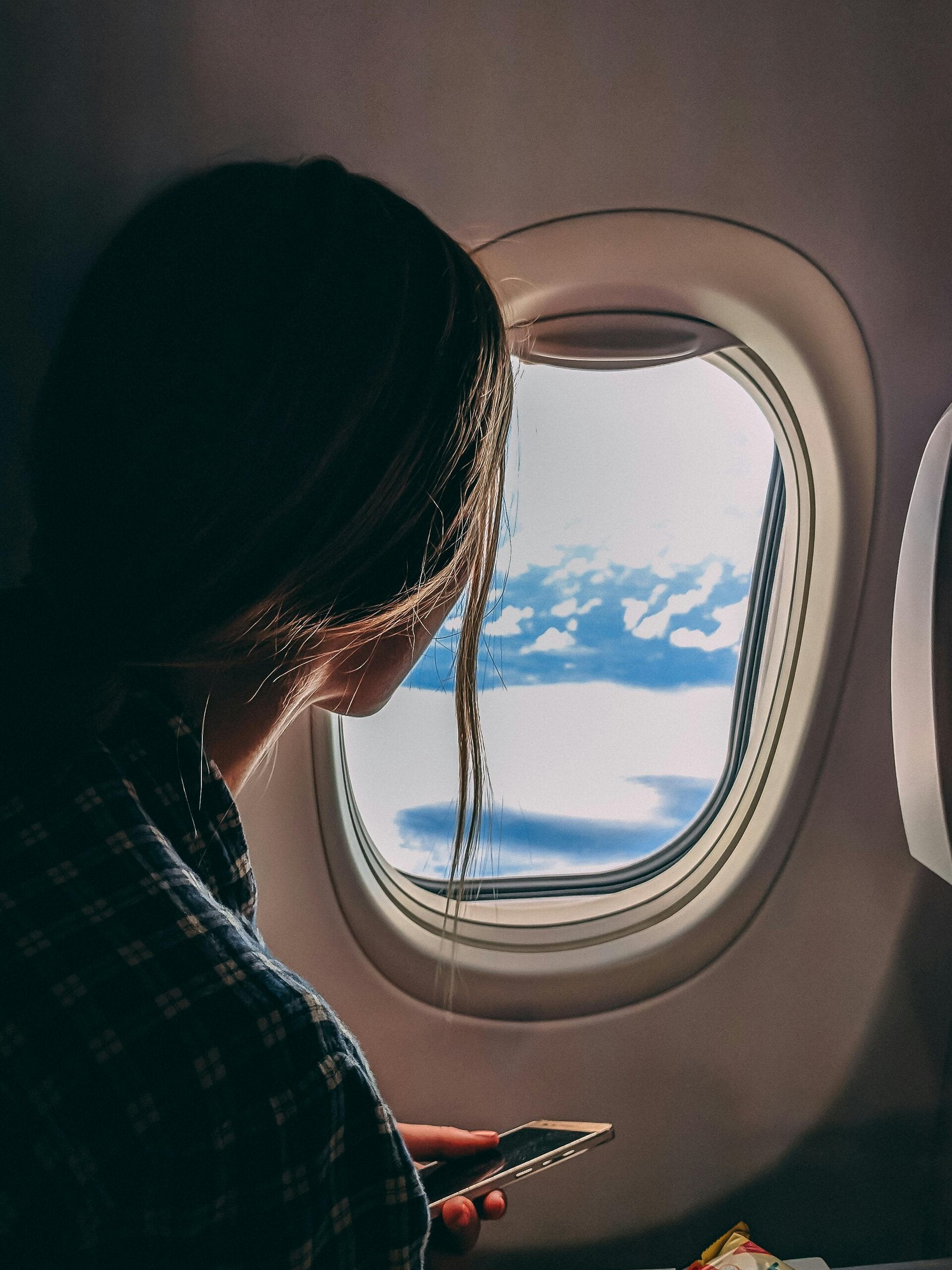
The main actions passengers can take fall into three macro-areas:
- Flight Selection and Green Fares
- Funding Sustainable Aviation Fuels (SAF): Many airlines offer the option to purchase "green fares" or add-ons during booking to cover the cost of SAF. These fuels, produced from waste and recycled oils, reduce emissions by up to 80% compared to traditional jet fuel.
- Choosing Direct Flights: Takeoff and landing are the most fuel-intensive phases of a flight. Avoiding layovers drastically reduces the total energy consumption of the journey.
- Using Transparent Search Engines: Booking through platforms that clearly display the estimated CO₂ emissions for each flight option allows travelers to prefer the most efficient routes and carriers.
Sector
Tier 2
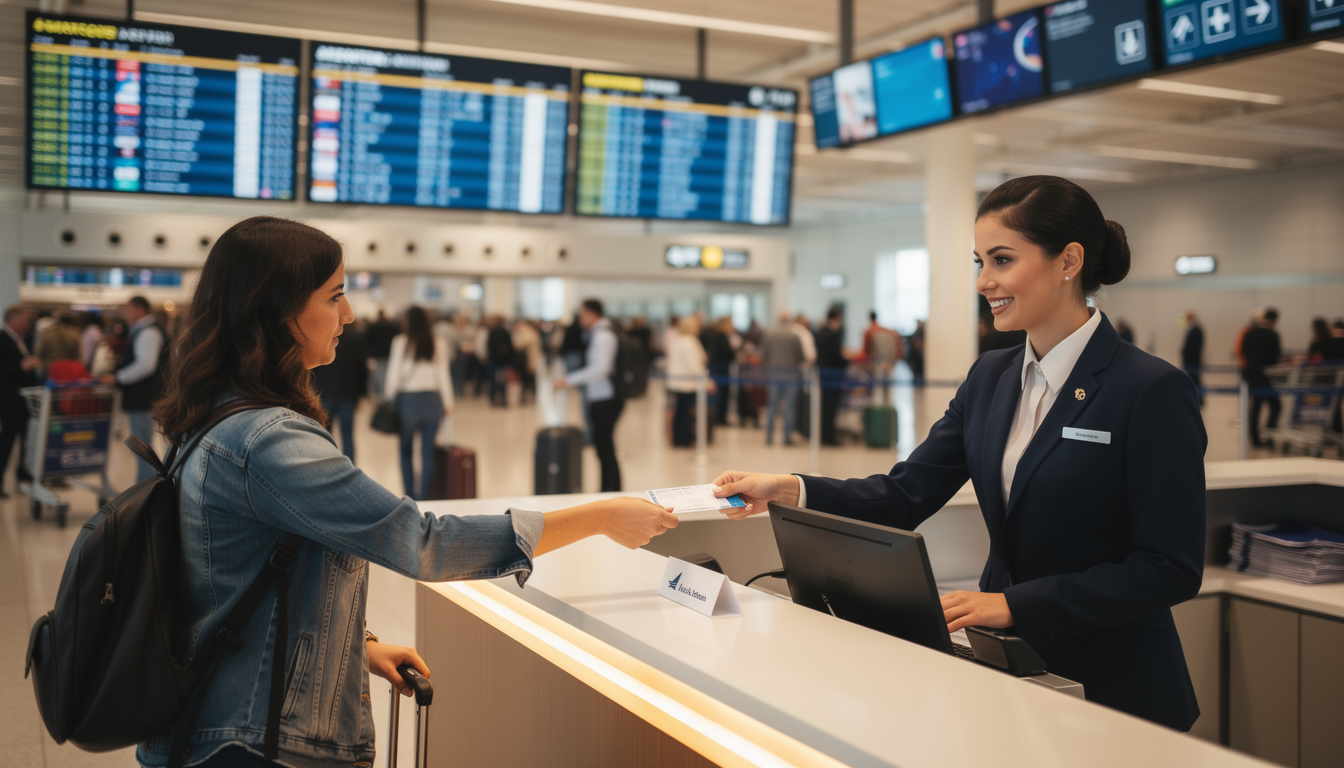
Passengers' choice:
- Cabin Choices and Travel Configuration
- Flying Economy Class: Business and First Class seats occupy much more physical space and are heavier. Flying Economy allows the aircraft's weight and fuel consumption to be distributed among a larger number of passengers, reducing an individual's carbon footprint by up to a third compared to premium classes.
- Traveling Light: Every kilogram on board increases the aircraft's fuel consumption. Reducing the weight of carry-on and checked baggage directly translates into lower greenhouse gas emissions during the flight.
- Replacing Planes with Trains for Short Distances: For short-haul domestic or continental routes, high-speed rail is the greenest alternative, emitting up to 10–20 times less CO₂ per passenger than a flight
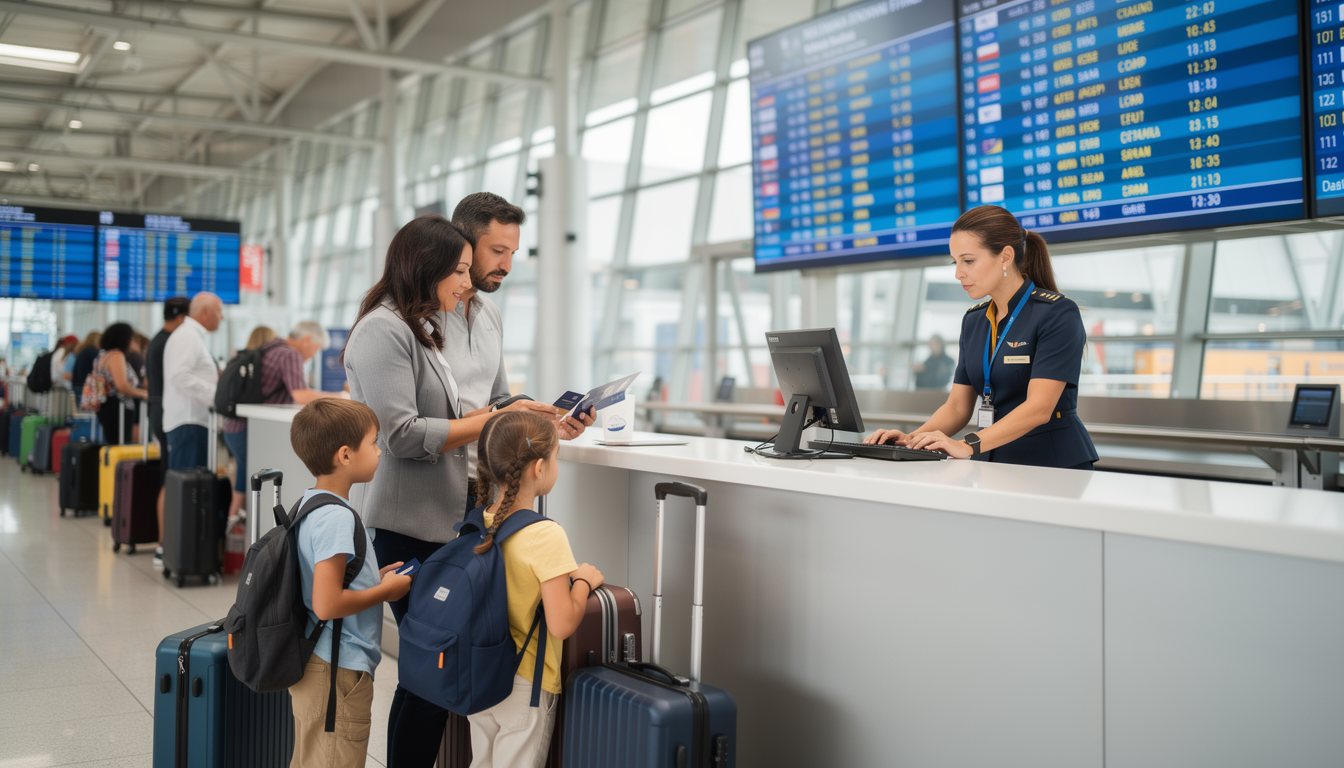
Selecting Airlines & Finance offset programs:
- Preference for Modern Fleets
- Selecting Airlines with Recent Fleets: Latest-generation aircraft (such as the Airbus A321neo or Boeing 787) feature aerodynamic technologies and engines that cut fuel consumption by 20–30% compared to older models. Checking the aircraft model used for a specific route rewards airlines that invest in fleet renewal.
- Investing in Carbon Offset Projects: When a flight cannot be avoided, passengers can finance offset programs. It is crucial to choose certified programs (investing in reforestation, renewable energy, or carbon capture) to ensure that purchased carbon credits correspond to a real removal of greenhouse gases from the atmosphere.